
Private equity giant MBK Partners is reportedly considering retaining a minority stake in flexible circuit materials manufacturer Nexflex even as it moves ahead with a potential sale of control, a sign the buyout firm still sees room for additional upside despite a difficult environment surrounding leveraged acquisitions in Korea.
According to local investment banking industry reports, Busan Equity Partners has renewed efforts to acquire Nexflex after earlier doubts emerged over whether the transaction could proceed. MBK is now said to be reviewing a structure that would allow it to remain the company’s second-largest shareholder through a reinvestment arrangement following the sale. The exact size of the retained stake has not been finalized, but market participants believe MBK could roll over more than 100 billion won into the deal rather than pursuing a complete exit.
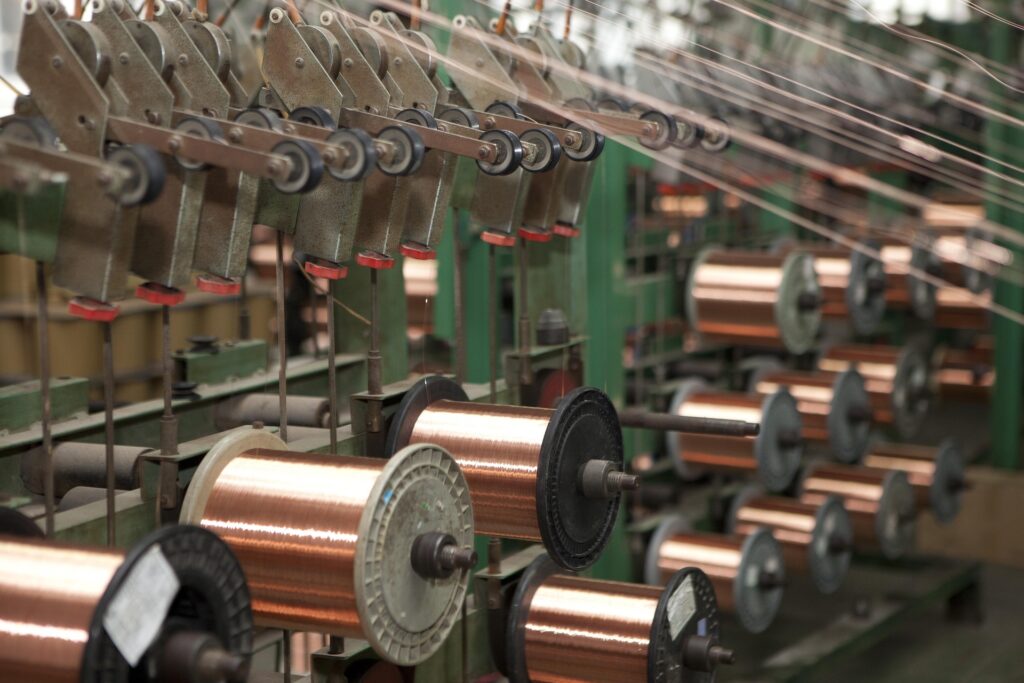
Nexflex manufactures flexible copper clad laminate, commonly referred to as FCCL, a core material used in flexible printed circuit boards found in smartphones, displays, and other advanced electronic devices. MBK acquired the business from Skylake in 2023 for around 530 billion won. Since then, rising demand for premium mobile devices and increasingly sophisticated electronics components has fueled expectations that suppliers positioned within major global supply chains could benefit from long-term earnings growth.
Busan EP remains the most active bidder despite financing challenges that previously cast uncertainty over the acquisition. Earlier attempts to secure funding through Mirae Asset Securities and KB Securities reportedly failed, leading some market observers to assume the bid had effectively stalled. However, fresh discussions involving Shinhan Investment, DB Financial Investment, and Daol Investment & Securities have revived expectations that financing could still be assembled.
Industry estimates place Nexflex’s valuation at roughly 900 billion won. Busan EP is reportedly attempting to finance approximately 550 billion won of the purchase price through acquisition debt, including senior financing, mezzanine funding, and revolving credit facilities. The remainder is expected to come from equity contributions, including support from listed affiliate ITEK and potentially MBK itself through a reinvestment structure.
The financing negotiations have reportedly exposed divisions among lenders. Some institutions are said to be uneasy about the relatively small equity cushion and the high proportion of leveraged funding tied to the transaction. Questions have also reportedly been raised over Busan EP’s capital backing and overall certainty of execution. The debate reflects broader caution in Korea’s leveraged buyout market as higher interest rates and slowing economic growth continue to pressure financing conditions.
Even so, a successful sale near the reported valuation would likely generate a substantial return for MBK. Market estimates suggest the firm could record an internal rate of return in the mid-10 percent range on a corporate value basis, while returns on equity could climb significantly higher because of acquisition leverage used during the original purchase.
MBK’s willingness to stay invested in Nexflex also comes as the firm faces growing scrutiny across several other investments and transactions. The private equity group has spent months dealing with fallout from the financial deterioration of Homeplus, the major Korean retailer controlled by MBK, after concerns over liquidity and debt obligations intensified. The situation has fueled criticism over private equity ownership structures and leverage-heavy management strategies.
The firm has also faced mounting political and regulatory attention in Japan over its attempted acquisition of machine tool maker Makino Milling Machine. Japanese officials and industry stakeholders reportedly raised concerns related to national industrial competitiveness and foreign ownership of strategically important manufacturing assets. The resistance highlighted the increasingly sensitive environment facing cross-border buyout transactions in Asia.
At the same time, MBK has continued to confront criticism tied to aggressive dealmaking tactics and debt-driven acquisitions that some market observers argue expose portfolio companies to heightened financial strain during periods of economic volatility. Against that backdrop, retaining exposure to Nexflex may represent an attempt by the firm to balance immediate returns with longer-term value creation in a business tied to growing electronics demand.
For now, the fate of the transaction appears likely to depend less on strategic interest and more on whether Busan EP can successfully secure the large-scale financing package needed to complete the acquisition.