
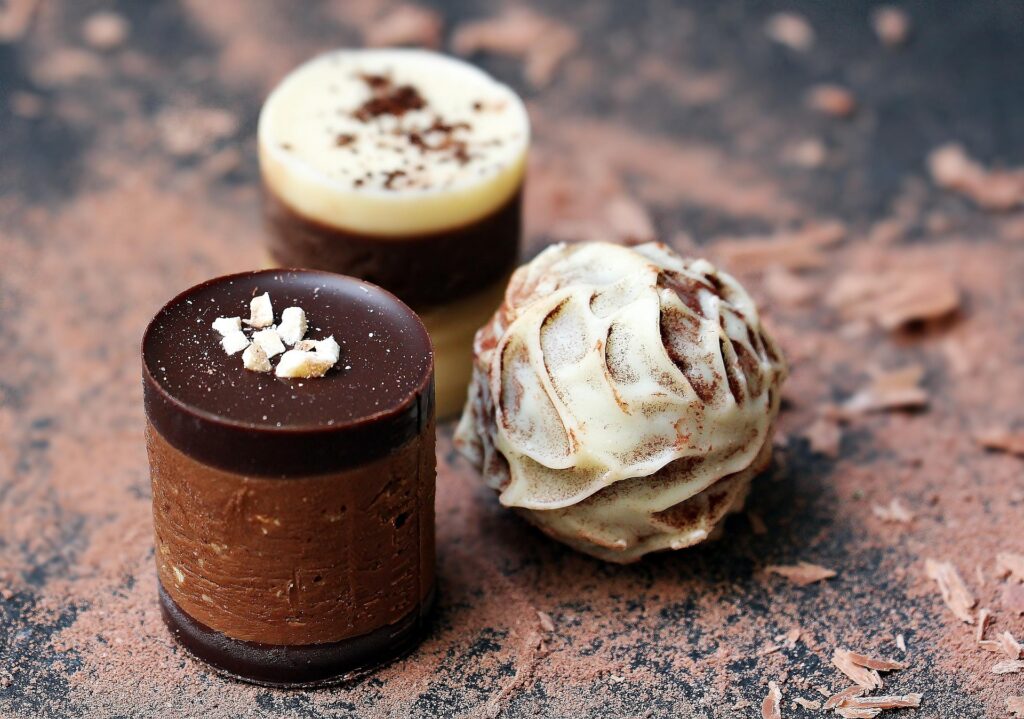
Private equity firm MBK Partners is exploring a potential sale of its stake in premium Belgian chocolate brand Pierre Marcolini, as it continues to reassess its portfolio across key markets in North Asia.
According to sources familiar with the matter, the firm has begun early-stage discussions with advisers and is quietly reaching out to prospective buyers. While no formal deal process has been confirmed, the asset could be valued at up to $100 million if a transaction moves forward. Details regarding the size of MBK’s ownership stake have not been publicly disclosed, and there is no guarantee that a sale will ultimately take place.
MBK first gained exposure to the chocolatier in 2023 through its Japan-based subsidiary VM2 Holdings, which was later rebranded as Orchid Inc.. The unit plays a central role in managing a broader confectionery portfolio that includes operations for Godiva across Japan, South Korea, Australia, and New Zealand, as well as overseeing a production facility in Belgium.
Founded in 1995 by renowned pastry chef Pierre Marcolini, the brand has built a reputation as a high-end chocolatier with a global footprint. It currently operates around 50 boutiques worldwide and holds the distinction of being an official supplier to the Belgian Royal Court, underscoring its prestige within the luxury confectionery segment.
The potential divestment comes at a time when MBK is actively refining its investment strategy. Since its establishment in 2005, the firm has grown into one of Asia’s leading private equity players, managing approximately $33 billion in assets across sectors ranging from logistics and pharmaceuticals to energy storage and media.
The move also follows heightened scrutiny of MBK’s activities in Japan, including its recent decision to abandon a planned acquisition of Makino Milling Machine after regulatory concerns tied to national security considerations emerged.
While still in its early stages, the possible sale of Pierre Marcolini highlights MBK’s ongoing efforts to optimize its holdings and potentially capitalize on strong brand equity in the global luxury food market.